GSA Foundation Board Of Trustees
GSA Foundation Executive Committee
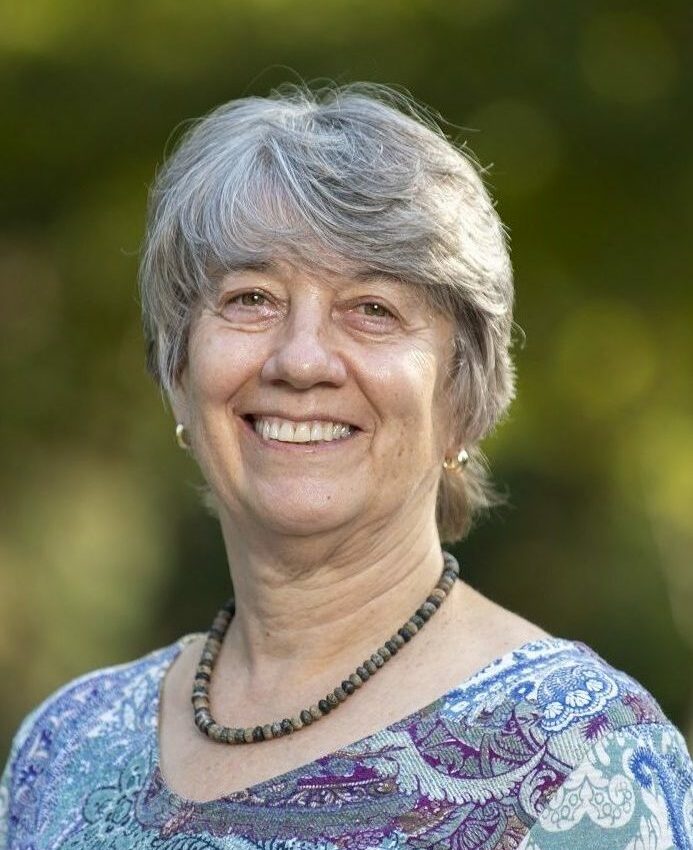
Lydia Fox
Chair
Lydia Fox is Associate Professor of Geological & Environmental Sciences at University of the Pacific. She is also the Director of Undergraduate Research for the university. Her research is in the area of Mesozoic granites and hydrothermal alteration. She is passionate about teaching and connecting undergraduates to research opportunities. She received Pacific’s Distinguished Faculty Award, the Spanos Distinguished Teaching Award. Lydia received her B.S.E. in geological engineering from Princeton University and her Ph.D. in geological sciences from University of California, Santa Barbara.
Prior to beginning her academic career, Lydia worked as a field engineer for Schlumberger Well Services in Louisiana and as a geologist for the U.S. Geological Survey in Menlo Park. Before joining University of the Pacific in 1990, she taught at California State University, Northridge. At Pacific, she served as department chair from 1998–2014, facilitating the addition of a major in Environmental Sciences. She has been the Director of the interdisciplinary Environmental Studies program since 2004.
Lydia is a Fellow of GSA. She was a member of Project Kaleidoscope Faculty for the 21st Century (PKAL-21) and served as their Scientist-in-Residence in 1996. She is an active member of the Council on Undergraduate Research (CUR), served as the Chair of the CUR Geosciences Divisions (2004–2006), and has served as chair of numerous CUR committees. Lydia is currently the chair of the Field Camp Scholarship Committed for the National Association of Geoscience Teachers (NAGT) and serves on the Executive Committee of the Education Section of the American Geophysical Union (AGU).
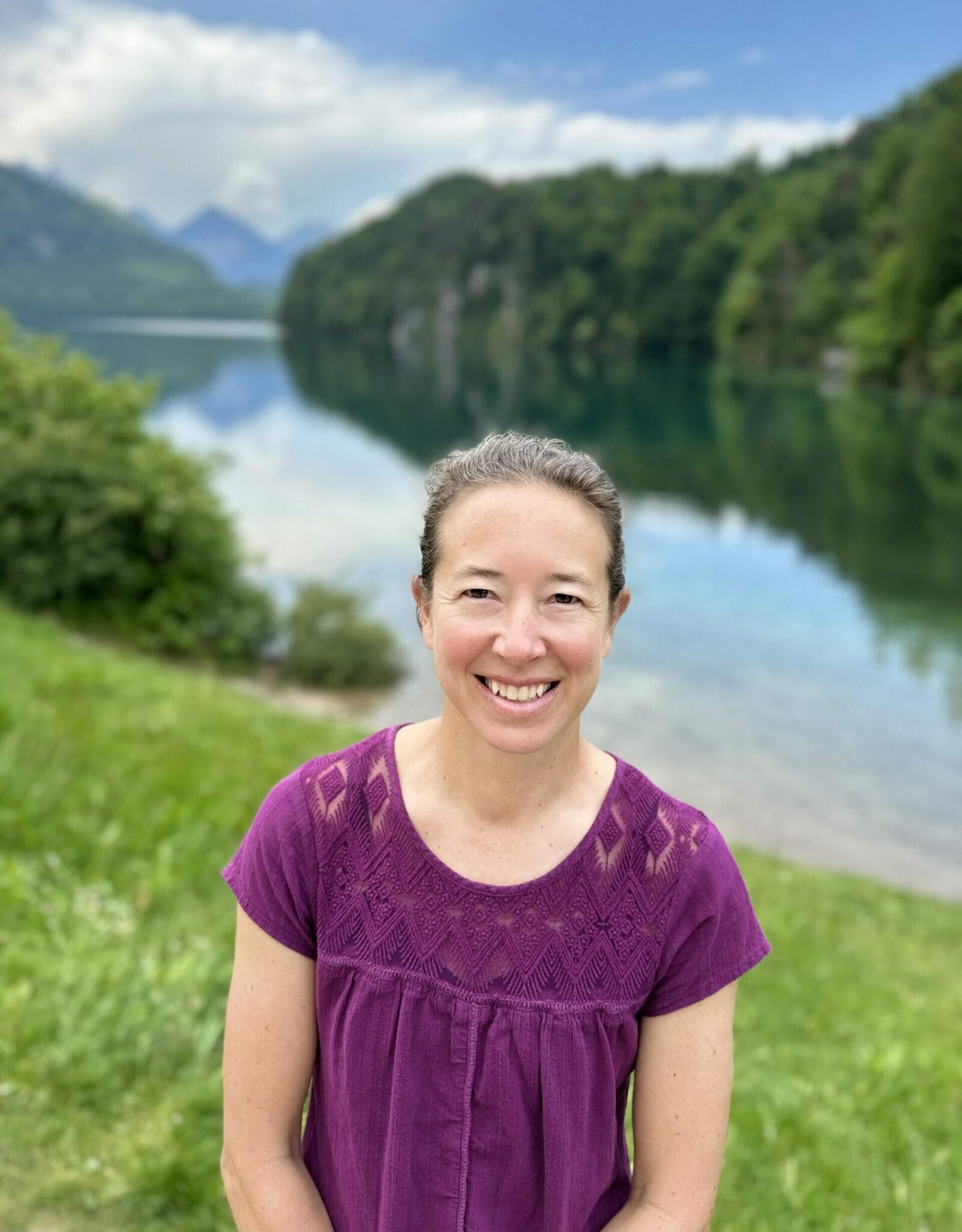
Lauren Heerschap
Vice Chair
Lauren Heerschap
Owner, CEO, Sales & Marketing Director
Brunton International LLC
Lauren Heerschap is the owner and CEO of Brunton in Riverton, Wyoming. Lauren and her husband David (now COO & Lead Engineer) brought Brunton back home to U.S. ownership in late 2021 after 25 years under Scandinavian parent companies. For the first time in the brand’s 130-year history, Brunton is owned and led by a female geologist. Brunton is proud to be an Organizational Partner of GSA and to donate engraved transits for the David Lowell Field Camp Scholarships each year.
Lauren was previously the Professional Sales & Marketing Manager for Brunton and had worked alongside the brand since 2014 to launch her invention, the Axis Transit. The Axis idea was formed while teaching field geology at Fort Lewis College in Durango, CO where Lauren was Lab Coordinator then Instructor from 2007–2016. While juggling departmental responsibilities and teaching a variety of introductory, field, and GIS courses, Lauren came up with the idea for an entirely new method of taking geological measurements with a twist on the traditional Brunton transit model. Her husband, David, was also a full-time educator at the time, but he managed to help successfully prototype the new transit in their garage over a winter break. They patented the idea then approached Brunton with it, and they worked out a licensing agreement with Brunton’s previous management. After repeated trips up to Brunton’s manufacturing facility in Riverton, Wyoming, Lauren and David fell in love with the area and moved up to Lander, where they now reside and are raising their daughter, Hannah.
Lauren received a B.S. in geology from Wheaton College in Illinois, where she studied abroad in Israel for a semester, completed an 8-week geology field camp in the Black Hills of South Dakota, and spent two months on a geoarchaeology project in the Sinai Peninsula of Egypt shortly after graduation. She then received a M.S. in geology from the University of Colorado at Boulder where her tectonic geomorphology field work took her to central Taiwan to investigate the relationships between erosion, mountain-building, and earthquakes. In 2002, Lauren received a GSA Graduate Research Grant which helped make her field research in Taiwan possible. She also participated in the 2003 GSA Penrose Conference in Taiwan focused on Tectonics and Climate, allowing the unique opportunity to showcase her field area to the top scientists in tectonic geomorphology. After graduate school, Lauren worked for the Colorado Geological Survey studying earthquake hazards and land use around the state. She also taught a semester of high school geology in Zermatt, Switzerland. Lauren and David then moved to Durango, CO. After a year as an unconventional oil & gas geologist, Lauren landed at Fort Lewis College—which eventually led to the invention of the Axis Transit and her ever-increasing roles with Brunton.
Lauren is also an avid rock climber, so when not studying rocks or inventing new ways to measure them in the field, she is vertically investigating cliffs, preferably those made up of the Bighorn Dolomite!
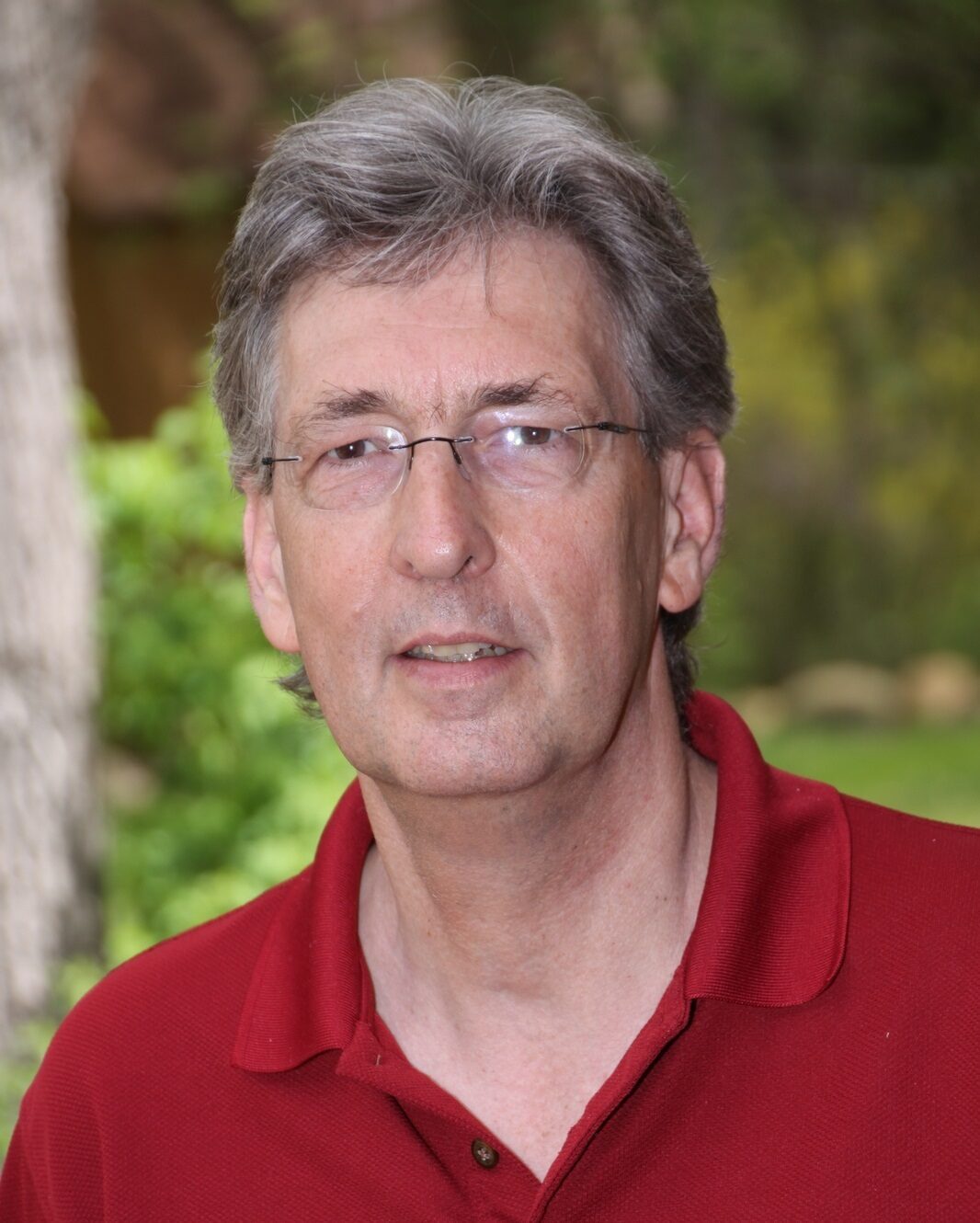
Ben van der Pluijm
Treasurer
Ben van der Pluijm is B.R. Clark Professor Emeritus of Earth and Environmental Sciences at the University of Michigan (UM). He completed his B.S. and M.S. in the Netherlands and his Ph.D. in Canada before joining the faculty at Michigan in 1985; he retired in 2024. His research with about 35 graduate students and 20 postdocs spans four decades of field-oriented work in Appalachian and Grenville paleogeography, crustal architecture, rates and dates of orogenic evolution, U.S. Midcontinent geology, and clay-rich fault rocks. In recent years his interest has been the timing and fluid history of clay-bearing fault zones, including the Rockies, Pyrenees and Appalachians, and the San Andreas Fault system. His teaching includes courses on structure&tectonics and introductory offerings in geology and global change. In recent years his teaching and public outreach lectures focus on societal resilience to geo-environmental challenges. He has co-authored over 200 publications, and print and online editions of the textbook Earth Structure.
Ben has served on many institutional and professional committees, panels and publication boards. He served as director of the UM Global Change program, as lead coordinator of NSF’s $200+M sustainability program and several years in the UM-Provost office. He served in multiple GSA roles, including its research panel, Publications Committee, and co-editor of Geology.
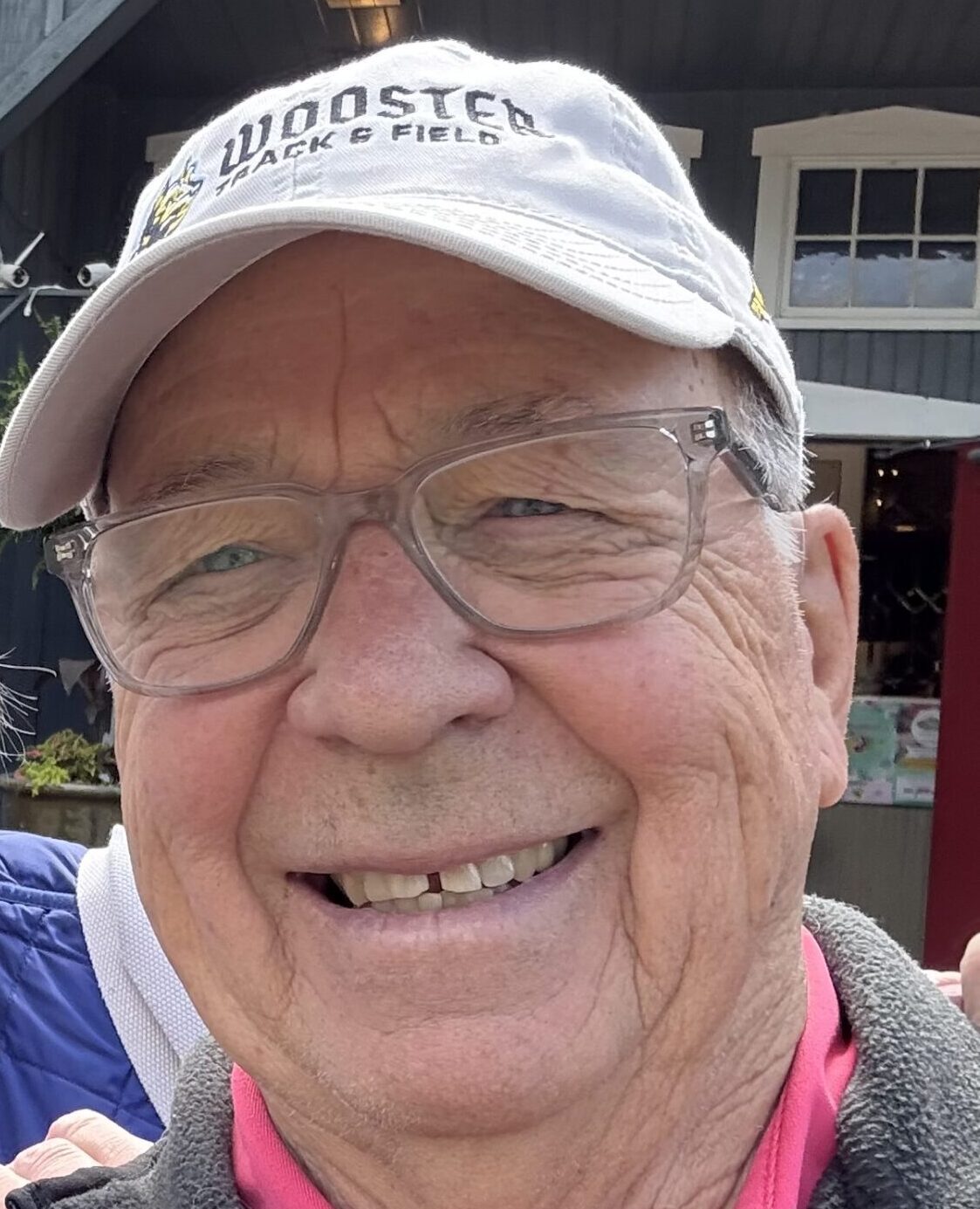
George Davis
At Large
George Davis is Regents Professor Emeritus and Provost Emeritus at The University of Arizona. He is a field-oriented structural geologist whose main focus has been on the tectonics of the Basin & Range and Colorado Plateau. In addition, since 2004, he has been carrying out tectonic and geoarchaeological research in Greece at the Sanctuary of Zeus, Mt. Lykaion, in the Peloponnese. George has been the major research advisor for ~45 MS and PhD students, ~25 undergraduate majors, and has served on research committees for ~125 graduate students. His reach as a teacher has been extended through 3 editions of his textbook, Structural Geology of Rocks and Regions. George joined the faculty of the Department of Geosciences at The University of Arizona in 1970, and over the years held a number of academic leadership positions, including Department Head (1982–1986), Vice Provost (1986–1989), Executive on Loan to the Arizona Board of Regents (1988-89), Acting Vice President for Business Affairs (1989–1990), and Executive Vice President and Provost (2000–2007). In addition, George was President of the University of Vermont (1990–1992).
George received his BA degree from The College of Wooster, Ohio, subsequently receiving his MA degree from The University of Texas, Austin, and his PhD degree from The University of Michigan. Carleton College awarded him an Honorary Doctoral Degree in 2012. George’s honors, awards, and professional leadership contributions include Lindgren Citation Award for Excellence in Research (Society for Economic Geologists) (1971); GSA Fellow (1980); being named on 50th anniversary of Rackham Graduate School among The University of Michigan’s 100 most distinguished Ph.D. recipients (1988); UA Faculty of Science Distinguished Teaching Award (1985); American Association of Petroleum Geologists Distinguished Lecturer (1998–1999); UA Geosciences Outstanding Faculty Award (2002); Chair of National Science Foundation’s Advisory Committee on Atmospheric, Earth, and Ocean Sciences (2006–2009); Peter W. Likins Inclusive Excellence Award (2007); Career Contribution Award in the Structure-Tectonics Division of the Geological Society of America (2011); President of the Geological Society of America (2012); National Recipient of the Inspire Integrity Award conferred by the National Society of Collegiate Scholars (2012); and Distinguished Alumni Award from The College of Wooster (2016). With respect to GSA leadership experiences, he is most proud of helping to initiate On To the Future (OTF), and the J. David Lowell Field Camp Scholarship Program, both of which are significant priorities of GSAF.
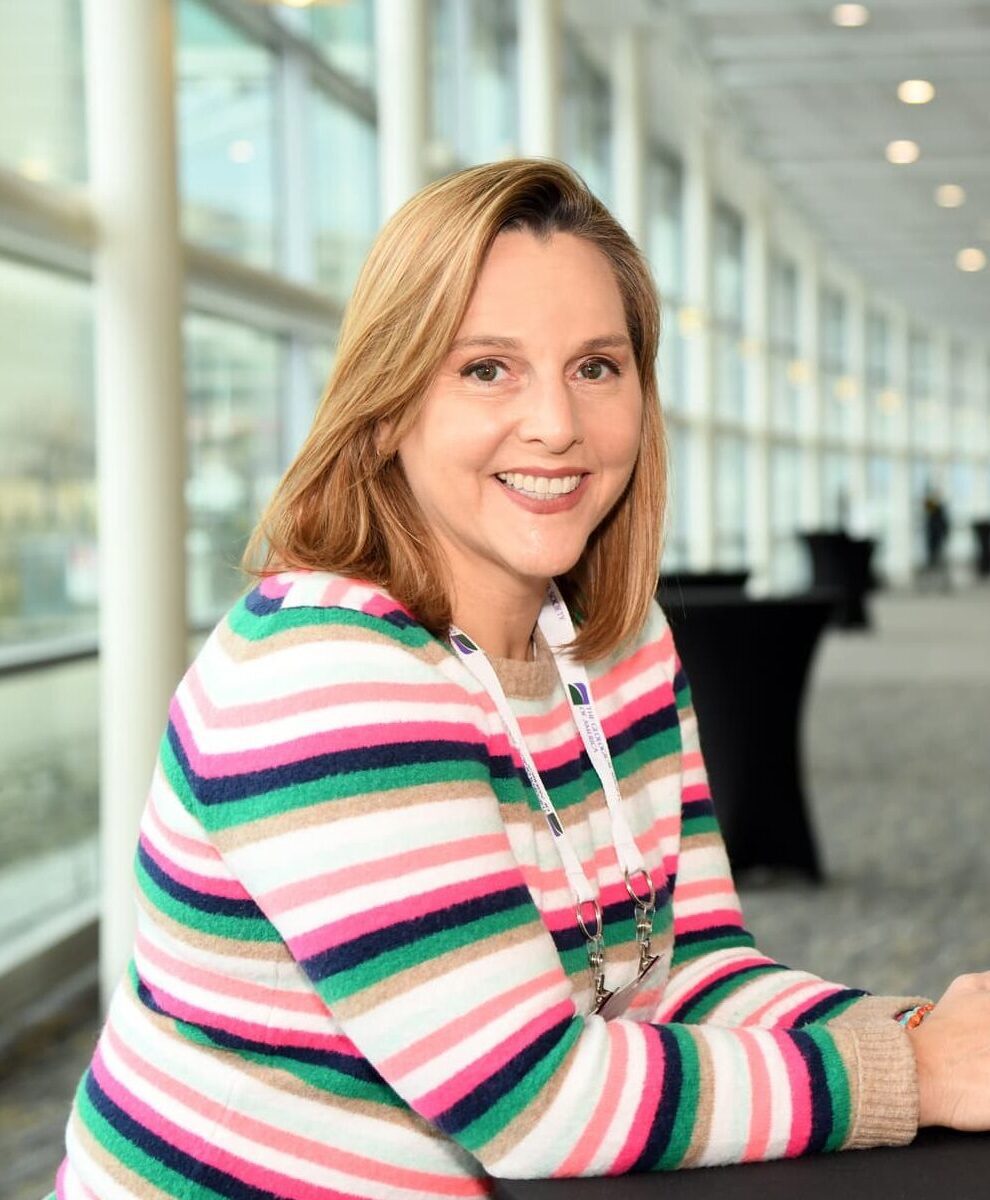
Katy Sementelli
At Large
Katy Sementelli is a petroleum geoscientist with ExxonMobil Corporation. Katy has over 20 years of experience across the globe in various scales of the upstream business. Her areas of expertise include sequence stratigraphy, clastic sedimentology, and clastic reservoir characterization. Katy is from Erie, PA, and earned a Bachelor of Science from Edinboro University of Pennsylvania in 2000. Katy then embarked in the move south to the University of North Carolina at Chapel Hill and completed a Master’s of Geological Sciences studying seismic sequence stratigraphy. Moving further south, Katy started her career in oil & gas in Houston, TX with ExxonMobil. In her career, Katy worked for Apache Corporation, Hess and BHP/Woodside Energy, but has recently rejoined ExxonMobil for a full-circle career journey!
Katy has worked to explore and develop hydrocarbon resources in onshore and offshore basins in North America, South America, and Africa. In her years as petroleum geoscientist, Katy has held many roles and responsibilities. Her favorite roles include mentor, teacher, recruiter, and subject matter expert in clastic reservoir characterization. She has contributed to numerous conferences and scientific publications as a reviewer, an editor, a panelist, a technical coordinator, and other roles supporting the geoscience community. Katy has a passion for inclusion and diversity in the petroleum industry and geosciences. Katy enjoys visiting outcrops all over the world and has helped teach field-based training in areas such as Montana, California, and Utah. Although Katy has seen geology around the world, her favorite geologic feature remains as the Presque Isle State Park sand spit in Erie, PA.
She recommends visiting in mid-Autumn for the spectacular foliage and views of the pristine lagoons. Katy is mother, a wife, an avid endurance triathlete, a guide for visually impaired athletes and a certified yoga instructor but realizes she is a better geologist than yoga instructor, so she is keeping her day job.
GSA Foundation Board Members
Braimah Apambire
Senior Assistant to the President for Global Sustainability and Director of the Center for International Water Sustainability, Desert Research Institute
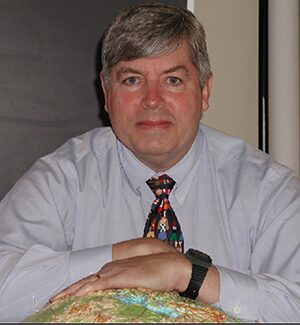
Scott Burns
Scott Burns is a professor emeritus in the Department of Geology at Portland State University with over four decades of teaching in the areas of geologic hazards, Quaternary geology, geomorphology and environmental/engineering geology. He has also served as the Associate Dean of the College of Liberal Arts and Sciences at Portland State University. He has authored well over 100 publications and overseen over 25 research grants.
Scott has received numerous awards for his outstanding teaching. He is very active in media outreach, working with TV and radio stations as well as newspapers. He has become a well-respected scholar on the relationship between wine, soil, geology and climate. Scott has been active in the International Association of Engineering Geologists and the Environment, Association of Engineering Geologists, National Association of Geology Teachers, Soil Science Society of America, and the Geological Society of America.
His GSA service includes the Chair of the Engineering Geology Division, and he has served actively in the Quaternary Geology & Geomorphology Division. He has been recognized by GSA with the Distinguished Practice award from the Engineering Geology Division, the Richard Jahns Award for engineering geology and the Shoemaker Award for Public Policy. He has been recognized by the AEG with the Karl Terzaghi Award and the Robert Schuster Award. Scott was recognized by the State of Oregon as the Outstanding Scientist for Oregon in 2014. Scott received his BS and MS degrees from Stanford University and his PhD in geology from the University of Colorado in Boulder, Colorado.
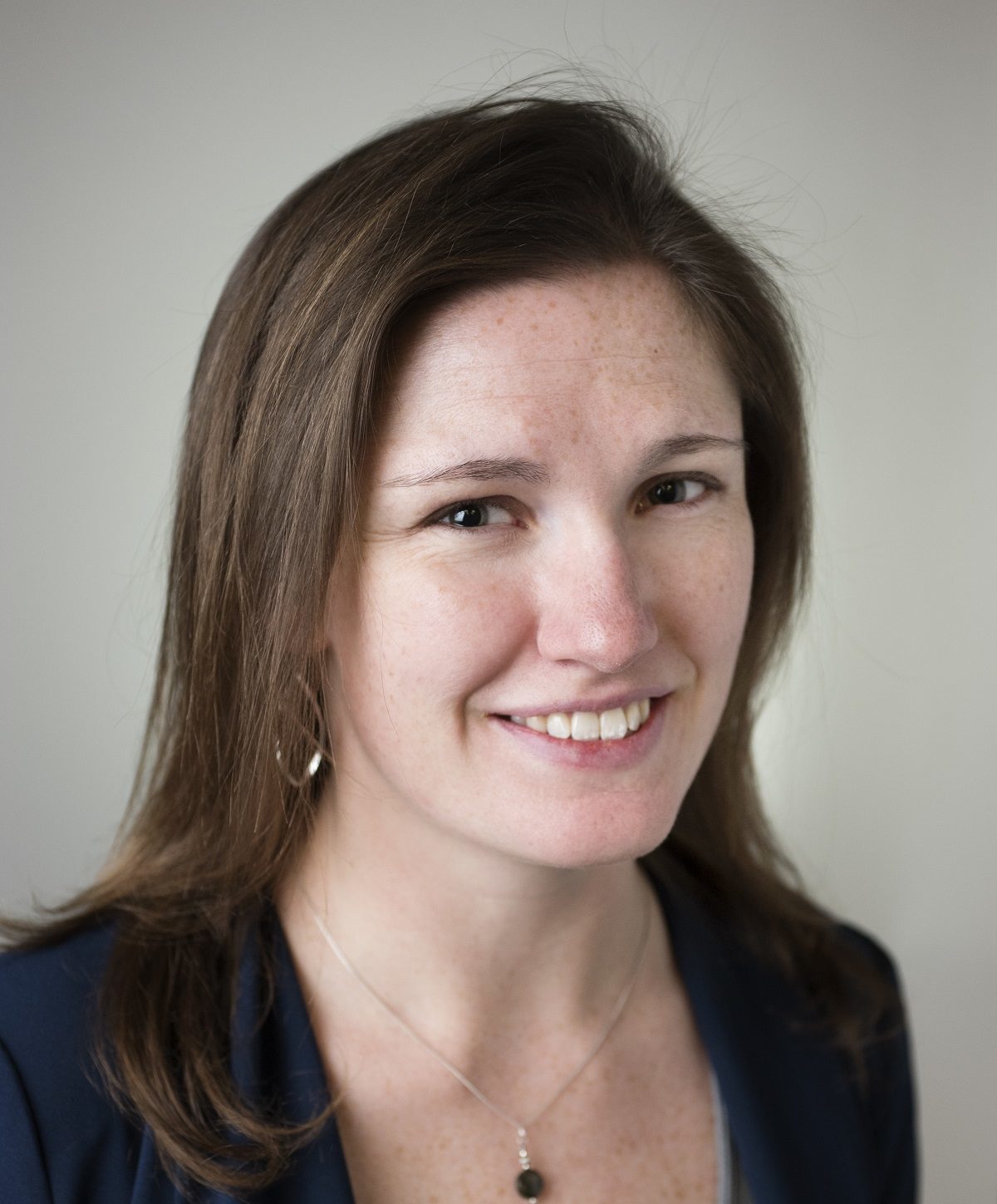
Rebecca Caldwell
Rebecca Caldwell is a research geoscientist in the Chevron Technical Center, Chevron Corp. Her work focuses on developing and applying advanced technologies and methods to solve exploration and reservoir management needs. Her areas of expertise include sedimentology and stratigraphy, source to sink analysis, modeling, and data science applications to earth science. Before joining Chevron, Rebecca received a Ph.D. from Indiana University developing predictive relationships for deltaic process-stratigraphy and global distribution. She also holds an M.S. in geology from Boston College, and a B.A. in geology and environmental studies from University of Pennsylvania.
Rebecca is active within GSA and the greater geoscience community. She is passionate about mentoring and serves as a mentor for GSA’s On To the Future program and GSA Connects programming. She holds the role of AAPG (American Association of Petroleum Geologists) Women’s Network Technical Program Director and co-chairs the Siliciclastic Theme of AAPG & Society of Exploration Geophysicists’ IMAGE conference. She serves on nominating and organizational committees for the Society for Sedimentary Geology and American Geophysical Union, and contributes to the scientific community through invited lectures, presentations, and publications.
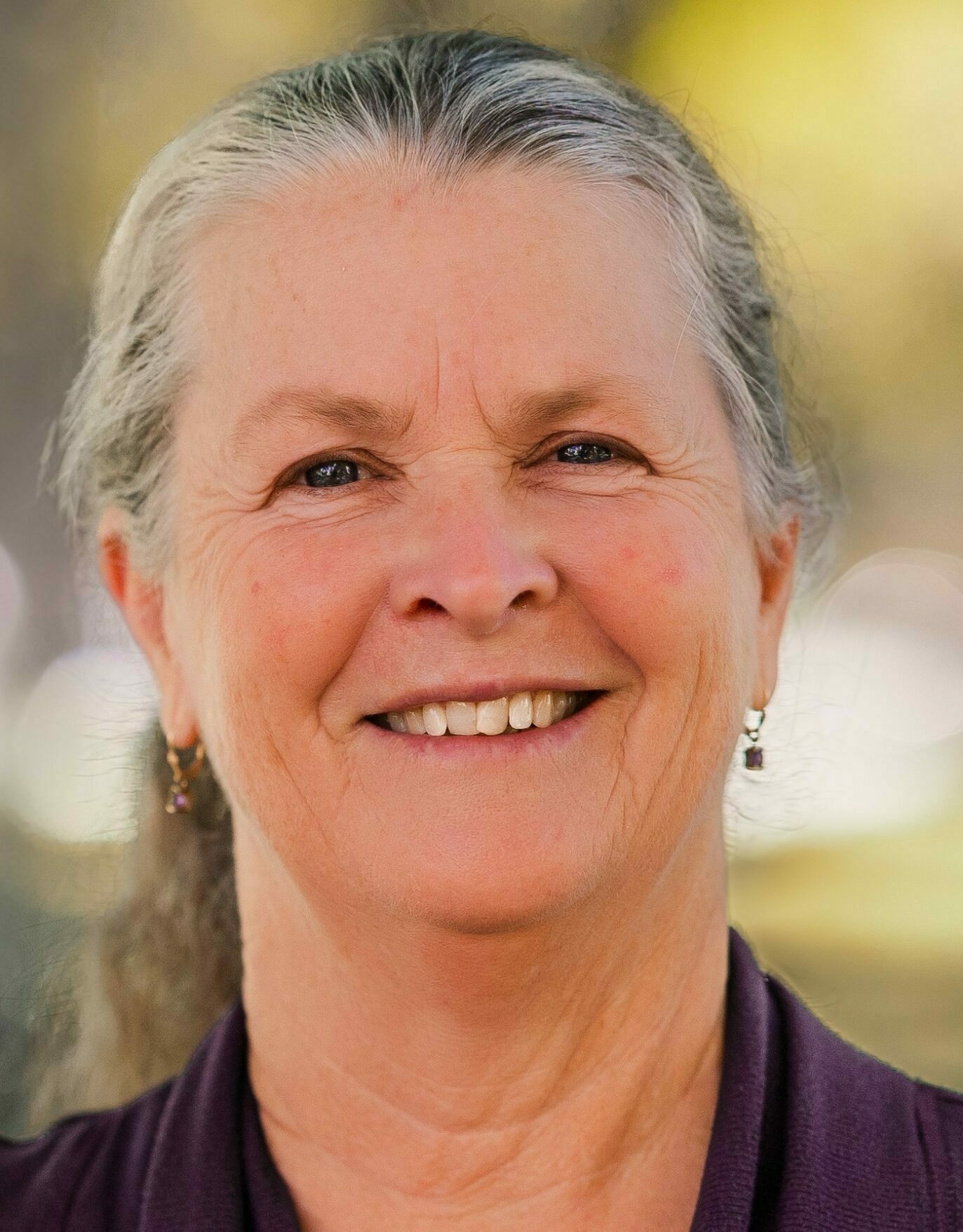
Nelia Dunbar
With a background in geochemistry, Dr. Nelia Dunbar is now the director emerita of the New Mexico Bureau of Geology and Mineral Resources. She completed a B.A. degree, summa cum laude, in geology at Mount Holyoke College (1983) and then went on to a Ph.D. in geochemistry at New Mexico Tech (1989). Dunbar has worked for the Bureau since 1992, focusing on the geochemistry of volcanic rocks, particularly volcanic ashes and other explosive eruptions, mainly in New Mexico and Antarctica. She also received funding from NSF for an electron microprobe in 1996, which she managed until 2016. Her professional interests include research on a wide range of topics broadly focused on volcanic and igneous processes in New Mexico and elsewhere.
These include studies of volcanic eruption processes, geochemical evolution of magmas, chronology and chemistry of volcanic ashes, fluid migration within magmas, and geochemical alteration caused by fluids interacting with volcanic rocks. Dunbar has also spent 23 field seasons in Antarctica, working on NSF-funded projects related to Antarctic volcanism and interactions between volcanism, ice, and climate. In addition to New Mexico and Antarctica, she has worked in Tibet, Peru, Ethiopia, Bolivia, and Ecuador, all on projects related to volcanism. Dunbar is an adjunct faculty member at the Department of Earth and Environmental Sciences, taught graduate classes on electron microprobe analysis, advised graduate students and served on student committees, and is involved in outreach activities for New Mexico teachers and students.
She also served on the National Academy’s Board on Earth Science and Resources for five years, is a Geological Society of America Fellow, received the New Mexico Tech Distinguished Research Award in 2021, and is a member of Phi Beta Kappa and Sigma Xi.
Farouk El-Baz
Farouk El-Baz is a Member of the Advisory Council of Scientists and Technologists of President Sisi of Egypt. From 1986 to 2018 he served as Research Professor and Director of the Center for Remote Sensing at Boston University.
His career began in 1958 with a B.S. in chemistry and geology from Ain Shams University and he was a TA in 1958–1960 at Asyut University, both in Egypt. He later received an M.S. in 1961 and a Ph.D. in 1964 (University of Missouri and MIT), taught mineralogy at Heidelberg University (1964–1965) and worked in Egypt’s oil industry (1966).
Starting in 1967, and for six years he participated in the Apollo program as secretary of lunar landing site selection, and chair of astronaut training in visual observations and photography. In 1973–1982 he established and directed the Center for Earth and Planetary Studies at the Smithsonian Institution, Washington, D.C., and served as Science Advisor to the late President Anwar Sadat of Egypt. He was Vice President for Science and Technology at Itek Optical Systems from 1982 until he joined Boston University in 1986.
He is the recipient of eight honorary doctoral degrees and chaired the U.S. National Committee for Geological Sciences. His awards include: Egypt’s Order of Merit–First Class, NASA’s Apollo Achievement Award, the Apollo Achievement Medal and Certificate of Contribution to Manned Space Flight, Golden Door Award of the International Institute of Boston, the Nevada Medal, Pioneer Award of Arab Thought Foundation, Human Needs Award of the American Association of Petroleum Geologists, and the Award of Public Understanding of Science and Technology of the AAAS.
He is a fellow of the Academy of Sciences for the Developing World and represents it at the United Nations. He is also a member of the U.S. National Academy of Engineering, Royal Astronomical Society, African Academy of Sciences, and the Royal Moroccan Academy of Science and Technology. He served on the boards of the Library of Alexandria (Egypt), U.S. Civilian Research and Development Foundation (CRDF), and the World Affairs Council, RAND–Qatar Policy Institute. He served as Chairman of the Charles Stark Draper Award of the U.S. National Academy of Engineering and is a member of its committee on the Grand Challenges for Engineering.
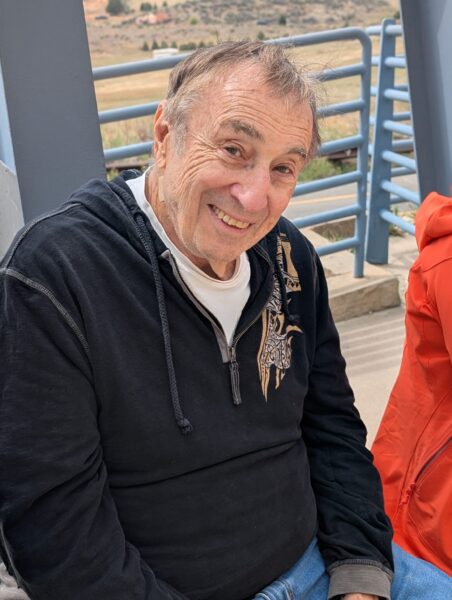
Martin Goldhaber
Martin (Marty) Goldhaber is a Scientist Emeritus with the USGS, having earned a PhD in geochemistry from UCLA (1973) and a BS (1968) also from UCLA. He served in a post-doc position at Yale prior to joining the USGS. He is past President of the Geochemical Society and has served on the editorial boards of Economic Geology, American Journal of Science, and Geochimica (two terms) and has served on various committees for GSA (Research Grants, JTPC, Arthur Day Medal, and the Geochem Society representative to MGPV) as well as advisory committees for the Ocean Drilling Program, NASA, and NSF.
He is a GSA Fellow as well as a Fellow of the AAAS and SEG. His association with the Colorado School of Mines and University of North Carolina at Chapel Hill as adjunct professor resulted in the mentoring of thirteen masters and doctoral students. He is also on the faculty of the Minerals, Metals, Metalloids, and Toxicity program at SUNY Stony Brook.
Marty’s research interests have evolved during his career. His early work was on the biogeochemistry of sulfur in modern marine sediments, which served as the focus of his PhD research. After joining the USGS, he applied these perspectives on sulfur geochemistry toward understanding the origin of sediment-hosted ore deposits. This interest in ore genesis led to a focus on large scale crustal fluid flow processes that drive not only genesis of some ore types, but also impact the modern environment by enriching shallow crustal rocks with potentially toxic constituents. Marty’s research then evolved into understanding the environmental impacts of these crustal flow processes.
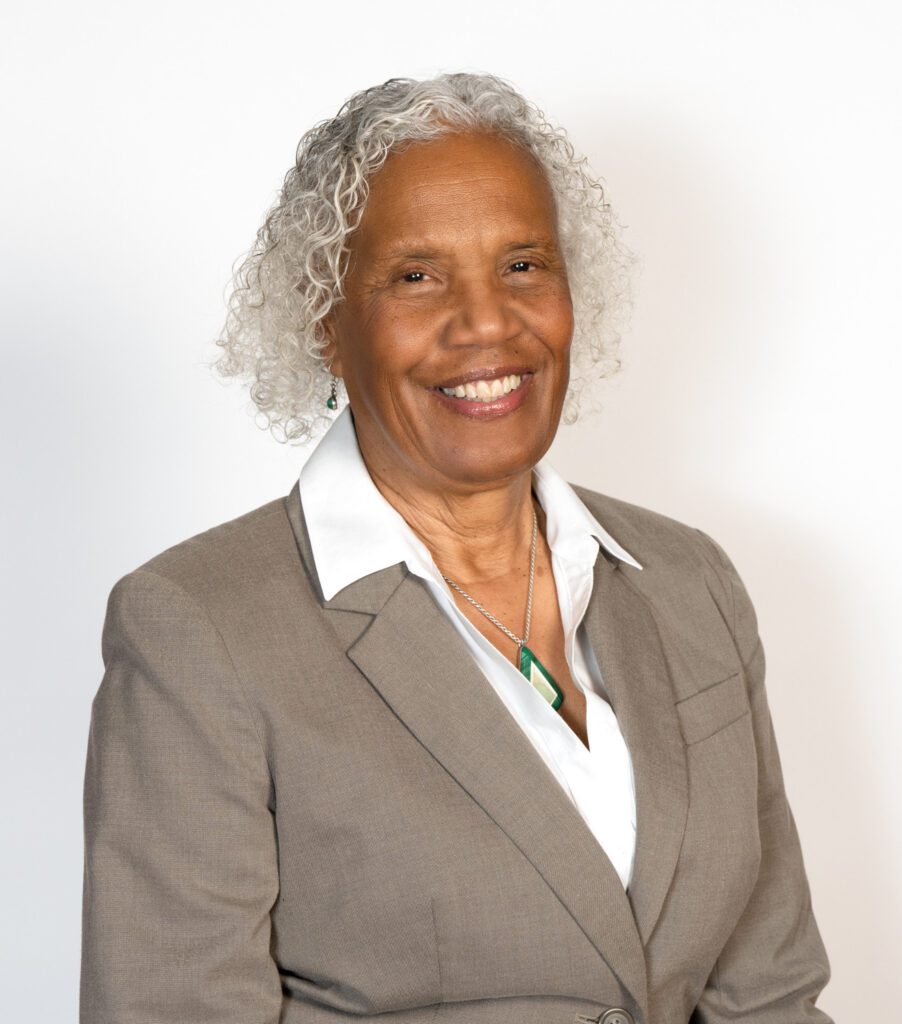
Rhea Graham
Ms. Rhea Graham is a retired transdisciplinary geologist who has profound experience that spans consulting, industry, and government. She has worked as a consulting engineering geologist and geologist for CH2M Hill (Jacobs) Engineering, Deuel & Associates, Science Applications International Inc., and AECOM.
Rhea served in several critical positions in the state government of New Mexico, including the Director of the Mining & Minerals Division for the State of New Mexico and the Director, Bureau Chief, and Water Resources Manager for the New Mexico Interstate Stream Commission. In her public service career, she was a geologist with the USDA/US Forest Service. She also held the role of Water Resource Manager for the Pueblo of Sandia, a federally recognized Indian tribe, and held several positions with the Bureau of Reclamation. Most significantly, she was appointed by President Clinton and confirmed by the Senate as the Director of the US Bureau of Mines, serving in this position for three years.
Rhea was a Certified Professional Geologist and a Registered Geologist and Engineering Geologist in the state of Oregon during her working career. She served two terms on the National Research Council’s Board of Earth Sciences and Resources, served on the Geological Society of America (GSA) Council, and is a Fellow of GSA. In 1974 Rhea earned an A.B. in Geology at Bryn Mawr College and has served on her alma mater’s Board of Trustees. She has an M.A. in Oceanography from Oregon State University.
Leslie (Les) McFadden
Dr. Leslie (Les) McFadden is a professor emeritus in the Department of Earth and Planetary Sciences, University of New Mexico, Albuquerque, New Mexico. Les received his A.B. degree from Stanford University (1973) in anthropology and his M.S. and Ph.D. in Geosciences from the University of Arizona (1978 and 1982, respectively). His professional experience spans over 40 years as a professor at the University of New Mexico. On a part-time basis, he worked with the U.S. Geological Survey, Western Minerals Branch, Menlo Park; and Los Alamos National Labs. He has used his expertise in consulting projects with the Navajo Nation as well as with firms such as William Lettis and Associates and Gary Rasmussen and Associates.
Les’ research and teaching primarily focuses on soil geomorphology but also includes studies related to soil and water sciences, Quaternary geology, geoarchaeology, and climate change impacts in drylands. He has advised, co-advised and directed 30 Ph.D. students and 49 M.S. students. Moreover, he has authored and co-authored numerous articles in peer-reviewed journals, many of them related to GSA, such as, Geology, GSA Bulletin, GSA Special Paper, and Decade of North American Geology Volume K-2. Publications in other international journals include Quaternary Research, Soil Science Society of America Journal, and Geomorphology.
Les has been recognized by the Geological Society of America as a Fellow and has been awarded the Farouk El-Baz Desert Research Award, the Kirk Bryan Award from the GSA QG&G Division, the John C. Frye Memorial Award from the Geological Society of America and Association of American State Geologists, and the Earth Science Achievement Award from the New Mexico Bureau of Geology and Mineral Resources.
GSA Foundation Staff
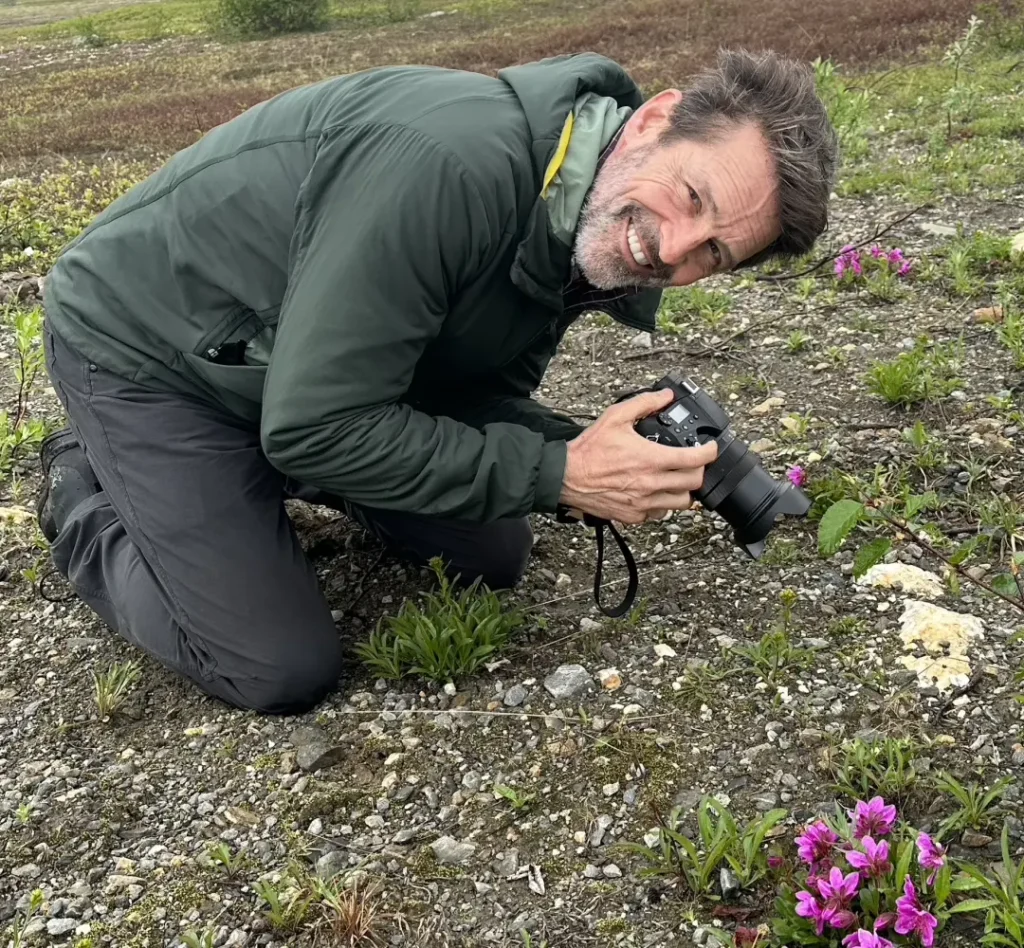
Sean O’Brien
Executive Director
Executive Director Sean O’Brien has a PhD in Environmental Science and has conducted field research in Costa Rica, Panama, and Alaska. Sean has been a leader in the nonprofit field for over 25 years, working in conservation, good government, constitutional education, and American history.
An avid yogi, cyclist, indoor rock climber, and general outdoors enthusiast, Sean is excited to be part of the team raising funds to support the future of the geosciences and build a deeper understanding of our planet (and others).
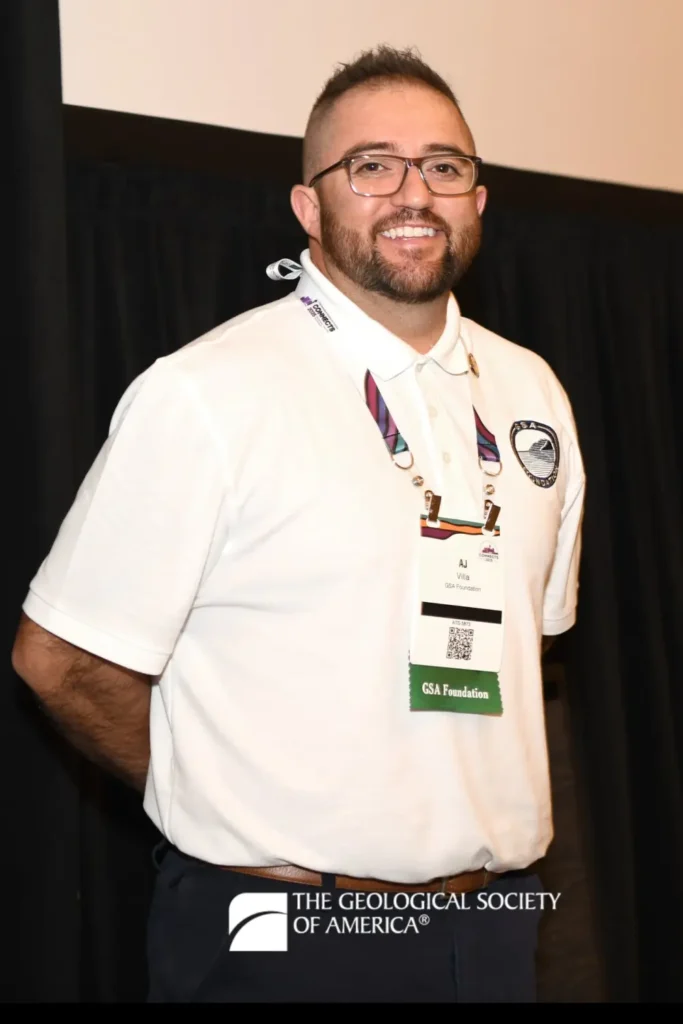
A.J. Villa
Stewardship Coordinator
Stewardship Coordinator A.J. Villa joined the GSA Foundation in 2019 and has more than 15 years of nonprofit sector experience. He particularly enjoys engaging with GSA’s student members. A Colorado native, A.J. is an avid golfer who loves spending time with family and coaching youth sports.
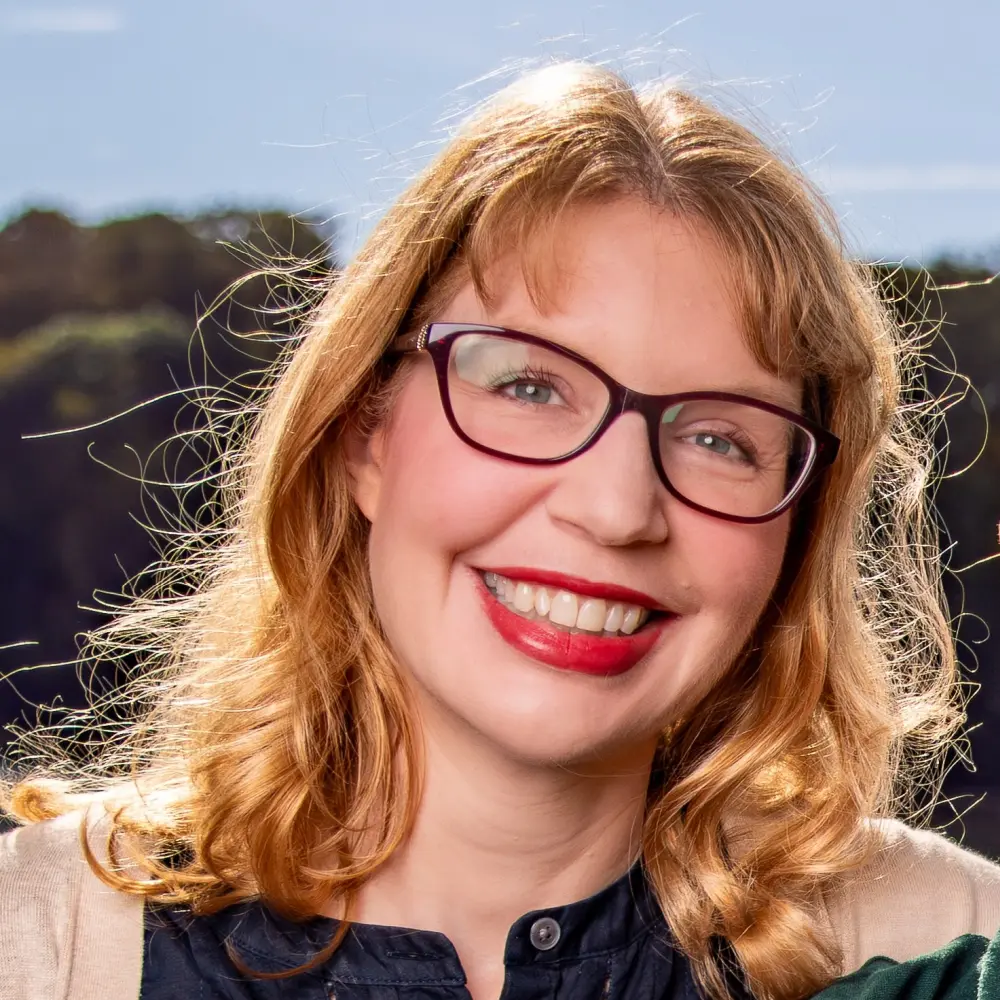
Becky Priest Santavicca
Development and Communications Officer
Development and Communications Officer Becky Priest Santavicca holds an MFA in Creative Writing and has worked in nonprofits and universities since 2006. With experience spanning development, communications, and compliance, she has helped raise and administer more than $41 million for education, STEM, arts, social services, and international programs. A Florida native, Becky lives with her family in Jacksonville and loves reading, baking, and exploring beaches and springs.
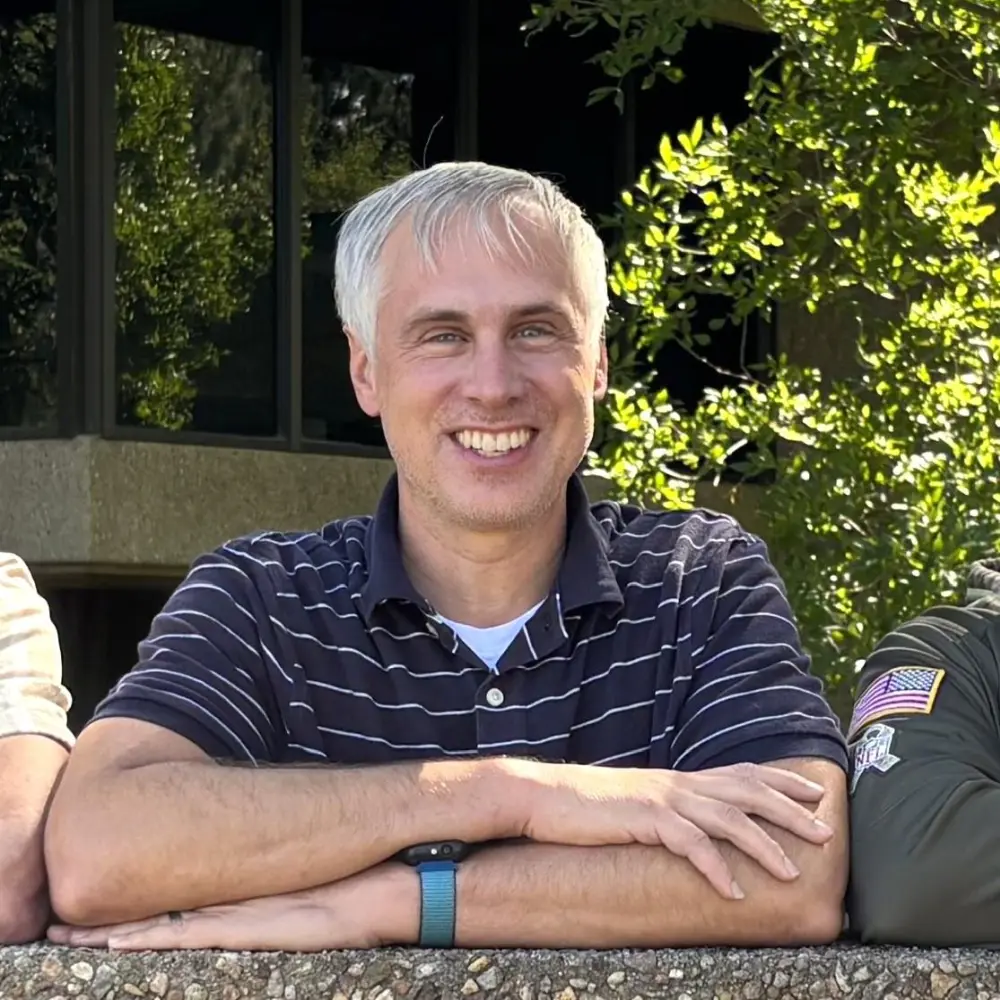
Jeff Tyler
Operations Manager
Operations Manager Jeff Tyler holds a bachelor’s degree in Finance and has worked with the Foundation since 2017. He has many years of nonprofit experience, having worked with various organizations since 2005. Jeff lives with his family in Colorado and enjoys all the outdoor activities the state has to offer.